Fleet management guide
What Is Fleet Management Software? A Complete Guide for Businesses
Aerolive Team · 20 September 2026 · 6 min read
Introduction
Managing a fleet involves much more than knowing where vehicles are located. Businesses need visibility into vehicle movement, trips, routes, fuel usage, driver behaviour, maintenance, safety and overall fleet performance.
Fleet management software brings these activities together in one connected platform, helping fleet operators monitor operations, identify exceptions and make informed decisions using real-time and historical fleet data.
In this guide, we explain what fleet management software is, how it works, the features businesses commonly use and what to consider when choosing a fleet management solution.
What is fleet management software?
Fleet management software is a digital platform used to monitor, manage and analyse vehicles, drivers and fleet operations.
Depending on the hardware and integrations used, the platform can receive information from GPS tracking devices, vehicle sensors, cameras and other telematics or IoT devices. This information can then be presented through dashboards, maps, alerts and reports.
Instead of relying only on phone calls, spreadsheets or manual records, fleet teams can use a central platform to understand what is happening across their operations.
How does fleet management software work?
A typical fleet management system has three main parts:
1. Vehicle and telematics hardware
GPS trackers, sensors, cameras or compatible vehicle devices collect relevant information from the vehicle or asset.
2. Connectivity and data transmission
Available device data is transmitted to the fleet platform using the connectivity and communication methods supported by the hardware.
3. Fleet management platform
The software processes available data and presents useful information through live maps, dashboards, alerts, trip histories and reports. This allows authorised fleet teams to monitor operations from a central interface.
Key features of fleet management software
Real-time GPS tracking
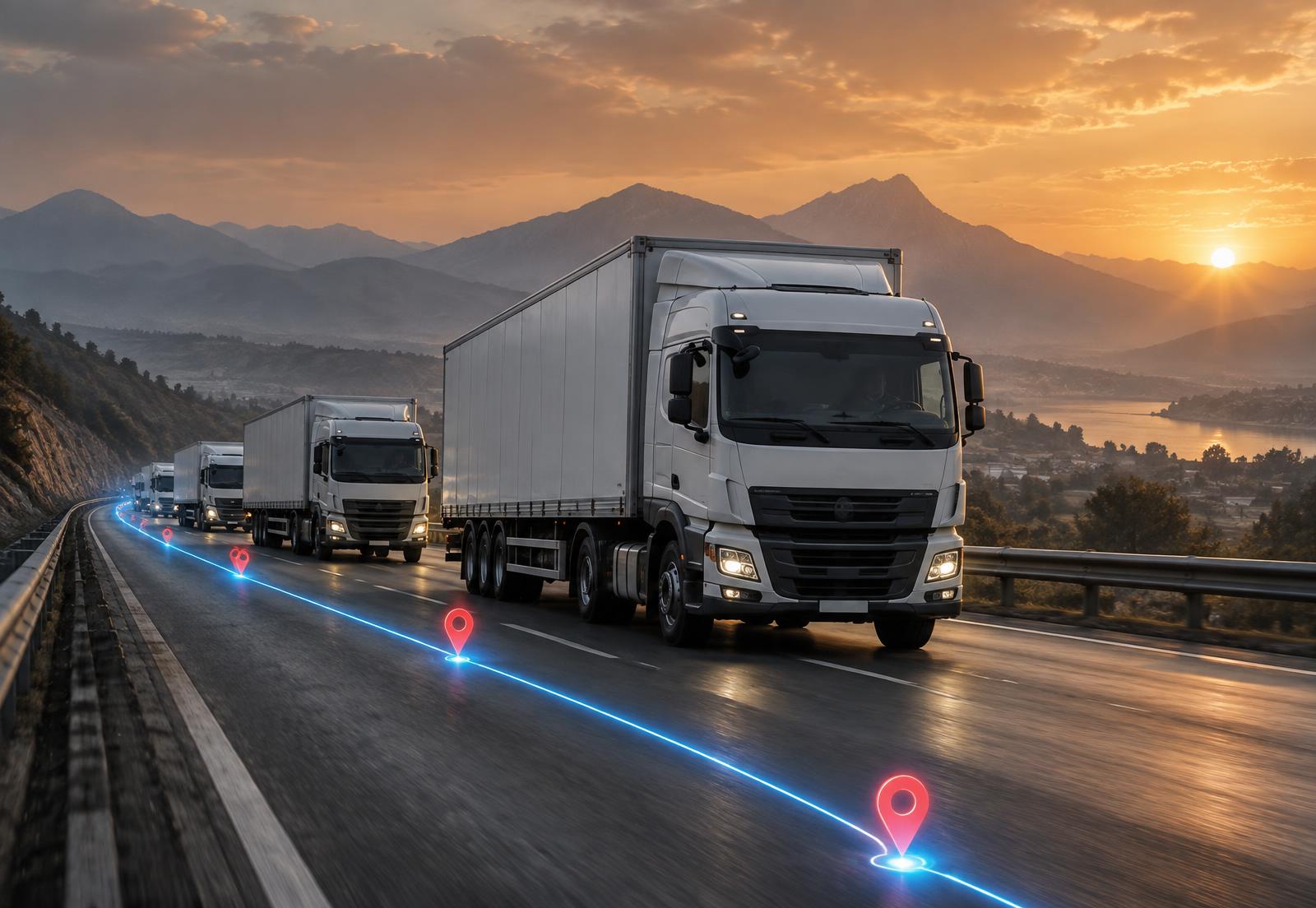
GPS tracking can provide visibility into the latest available location and movement of connected vehicles. Depending on the system configuration, fleet teams may also review historical routes, stops and travel activity.
Route planning and trip management
Route planning and trip management tools can help teams plan journeys, monitor trip progress and compare planned operations with available actual trip data.
Fuel monitoring
When compatible fuel monitoring hardware and data are available, fleet software can help operators analyse fuel levels, refuelling activity, consumption patterns and possible exceptions.
Driver behaviour monitoring
Telematics data can help fleet teams review driving events and behaviour indicators supported by the connected hardware and system configuration. This information can support driver coaching and fleet safety programmes, often alongside driver behaviour monitoring reports.
Video telematics, ADAS and DMS
Compatible camera-based video telematics can add visual context to fleet events. Depending on the equipment used, ADAS and Driver Monitoring System capabilities can also provide supported safety-related events and alerts.
Geofencing and alerts
Geofences allow fleet operators to define virtual geographic areas and receive supported alerts when configured vehicles enter or leave those areas.
Vehicle maintenance
Fleet maintenance tools can help businesses organise maintenance information, service schedules and related operational records.
Fleet analytics and reports
Historical fleet data becomes more useful when it can be organised into understandable reports and dashboards. Fleet analytics can help teams identify operational patterns and investigate areas requiring attention.
What types of businesses use fleet management software?
Fleet management technology can be relevant to organisations operating commercial vehicles or mobile assets, including:
- Logistics and transportation
- Distribution and delivery
- Construction and heavy equipment
- Service fleets
- Cold-chain operations
- EV fleets
- Businesses managing mobile assets
Requirements vary considerably by fleet type, hardware, operating environment and business process, so the appropriate configuration should be evaluated for each operation.
Benefits of a connected fleet platform
A connected fleet platform can provide businesses with better operational visibility by bringing relevant fleet information into one system.
Depending on the available data and configuration, this can help teams monitor vehicle activity, review trips, investigate exceptions, analyse operational trends, manage supported alerts and reduce dependence on fragmented manual information.
What should you look for when choosing fleet management software?
Businesses should evaluate a platform based on their actual operational requirements. Important considerations can include:
- Compatibility with existing GPS and telematics hardware
- Required tracking and reporting capabilities
- Fleet size and scalability requirements
- Integration requirements
- Driver and vehicle safety requirements
- Fuel monitoring requirements
- Camera and video telematics requirements
- Maintenance workflows
- Mobile and web accessibility
- Support and implementation requirements
Hardware compatibility should be checked at the specific device, protocol, firmware and integration level rather than assuming every model will work identically.
How Aerolive supports fleet operations
Aerolive provides fleet management, GPS tracking and telematics solutions designed to bring vehicle visibility, trip management, route planning, fuel monitoring, driver behaviour, video telematics, analytics and IoT-based monitoring into a connected platform.
Aerolive serves businesses across India and the Middle East with solutions that can be configured according to fleet and operational requirements.
Frequently asked questions
What is the main purpose of fleet management software?
It provides fleet teams with a central system for monitoring and managing available vehicle, driver and operational information.
Does fleet management software require GPS hardware?
Location tracking generally requires a compatible source of location data, such as a GPS/telematics device or another supported tracking method. The exact hardware requirement depends on the solution and use case.
Can fleet management software work with different hardware brands?
Integration depends on the specific manufacturer, device model, protocol, firmware and technical requirements. Compatibility should therefore be confirmed for the devices being used.
Can fleet management software be used for assets as well as vehicles?
Depending on the tracking hardware and platform configuration, compatible assets can also be monitored.
Ready to improve visibility across your fleet?
Talk to Aerolive about your fleet, existing hardware and operational requirements.